Learning outcomes
Taha Wairua – What matters to us
We respect our values, beliefs, and culture through kai and inu wai.
Taha Whānau – Connecting us to others
We nurture our past, present, and future relationships through kai and inu wai.
Taha Wairua – What matters to us
We respect our values, beliefs, and culture through kai and inu wai.
Taha Whānau – Connecting us to others
We nurture our past, present, and future relationships through kai and inu wai.
Our Classroom Kai Cookbook worksheet guides tamariki through creating their own recipe page. You can then bring all the pages together into a class cookbook that truly belongs to them. This is a worksheet, class kōrero and creative publishing project rolled into one.
This activity builds beautifully on My Kai Story and Come Around for Kai. If tamariki have tried those activities, they can draw directly on that learning here.
Tamariki can also take the cookbook worksheet home and involve their whole whānau in collecting and recording recipes together.
This activity is a great way to honour the kai traditions tamariki bring from home. Some may choose a family recipe passed down through generations; others may share a simple snack or meal they love. Encourage tamariki to think about the story behind their recipe:
This helps tamariki see that all contributions are valued, from dishes with unique cultural stories to everyday comfort foods. Remind them there are no right or wrong answers here.
Individual recipe pages
Offer each tamaiti an Our Classroom Kai Cookbook worksheet and ask them to work through each step. If a tamaiti doesn't know a whānau recipe off the top of their head, you might send a note home asking whānau to share one, or they can find a recipe they like online. Ask tamariki to check that their measurements are metric.
Encourage tamariki to think about the story behind their recipe as they work, not just the ingredients and method.
Kōrero and sharing
Once tamariki have completed their recipe pages, invite them to share in pairs or small groups. Ask them to talk through their recipe page and the memory or meaning behind it. Some good pātai to prompt kōrero:
Compile the cookbook
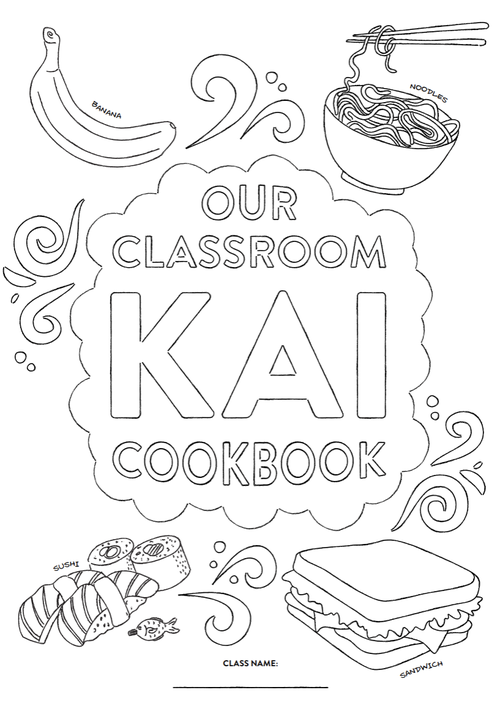
Collect all recipe pages and compile them into your class cookbook, either as a physical booklet or a digital PDF. You might invite tamariki to help colour in the cover page – or design your own! This is where the project becomes something real, shared and long-lasting.
You might:
Let us know how you enjoy this activity, and feel free to share your pics over on our Sparklers Kaiako Community Facebook group️.
